Kees Van Den Broek
Founder of Pro6PP
The versatile functions of a Dutch address or zip code
2024-10-15

A customer who has been using our Pro6PP service for over 12 years recently asked an interesting question, “What are the different functions that Dutch zip codes can have?” We will gladly take the opportunity to explain it to you.
The versatile functions of a Dutch address or zip code
When you think of an address or postal code, its practical utility probably first comes to mind: finding a location or receiving mail. But a Dutch address or postal code performs many more societal functions. In this post we explore the different roles an address or zip code plays in our daily lives, and why these little pieces of information are so important.
1. Identification of locations & mail delivery
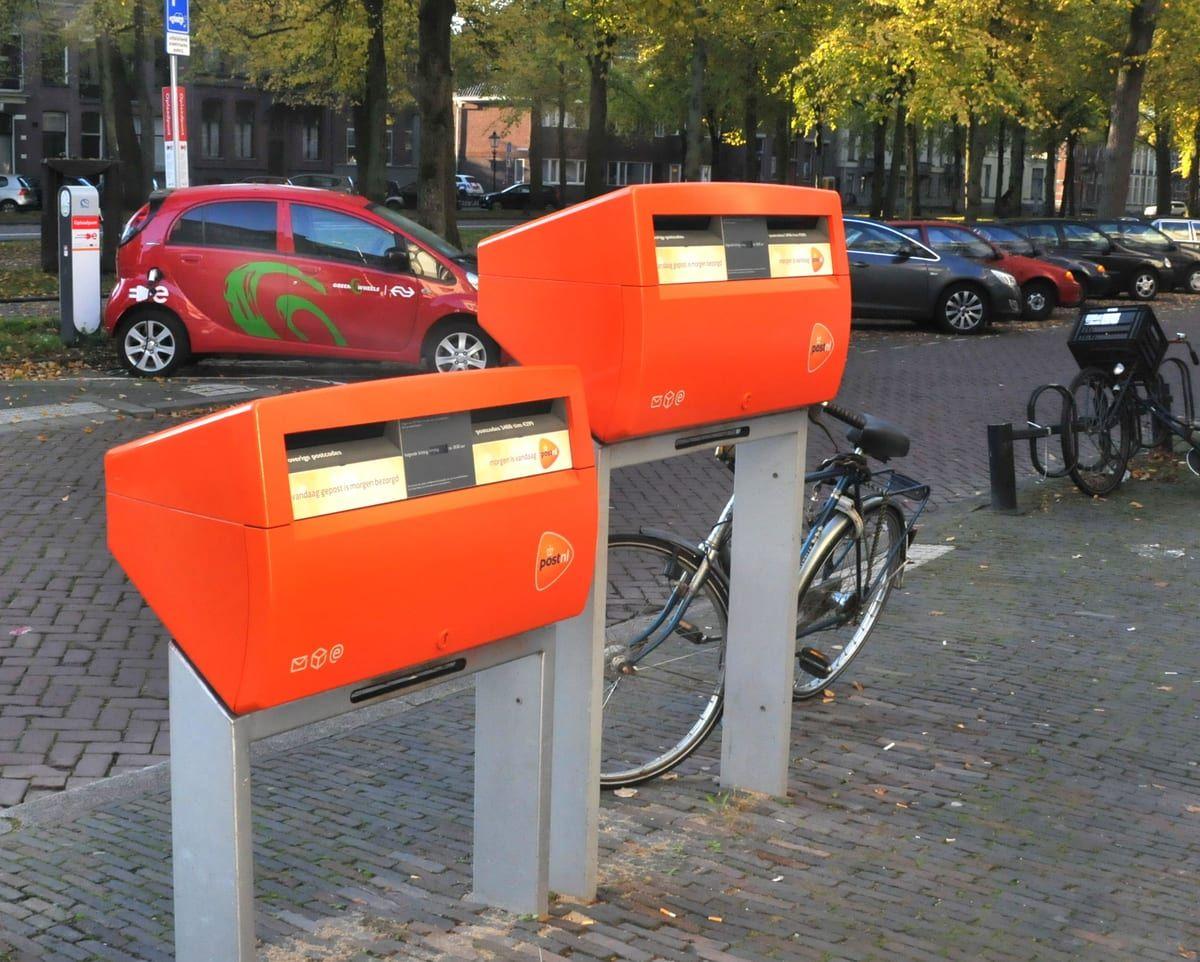
The best known function of a zip code is to identify a specific location. Whether it is a home, a business or a government agency, an address allows one to precisely locate that place. This is essential in areas where many buildings are close together. Using the zip code, mail and packages can be delivered efficiently: without these codes it would be much harder for postal companies like PostNL to sort letters and packages and get them to the right destination.
In logistics this function is mostly about reliability: a wrong or incomplete address leads to failed deliveries and extra cost. To prevent that at the source, you check and complete addresses as they are entered — for example with the address validation Autocomplete API.
2. Navigation
In the digital age, addresses and zip codes have become indispensable in navigation systems and maps. They help plan routes and find the right destination. Whether you commute daily, plan a road trip, or visit a tourist destination, the accuracy of addresses and zip codes makes navigation easy and reliable.
For systems that compute with locations themselves, route and distance calculations are crucial. With the distance API you can calculate the distance between two postcodes in a straight line or over the road, plus the travel time by car.
3. Administrative purposes
Governments and businesses rely heavily on addresses and zip codes for a wide range of administrative tasks. From tax collection and population registration to customer management, an accurate address is essential. This ensures that administrative processes run smoothly and that everyone is assigned to the correct municipality for elections, for example. It also facilitates communication between businesses and customers, and governments and citizens.
The value here lies in clean, consistent data. Keeping a large address file accurate and up to date is an ongoing task — reach out via our support page if you would like to discuss bulk address checks.
4. Statistical Analysis
ZIP codes are valuable tools for collecting and analyzing statistical data. They are used to collect demographic information, such as population density, income levels, and age distribution within certain areas. Economic trends, such as real estate prices and the distribution of businesses, can also be analyzed using zip codes. These analyses are crucial for policymakers, businesses, and researchers seeking to understand specific regions.
Pro6PP does not have the widest range of countries, but it does have the greatest depth of data per country. In the Netherlands a lot of additional data is available per address, such as surface area, year of construction, district and neighborhood.
5. Emergency
In emergency situations, such as fires, accidents or medical emergencies, an accurate address or zip code allows emergency services to respond quickly and effectively. Proper location pinpointing can save lives by significantly reducing police, fire and ambulance response times. The importance of an accurate address or zip code cannot be overemphasized in these situations.
Conclusion
Whether delivering a letter, planning a route, or providing life-saving emergency assistance, a Dutch address or zip code plays a crucial role in our daily lives. It is more than just an indication on a map; it is an essential part of how our society functions.
Linking or merging different data sets also opens up new possibilities and applications, more on that in a future article.